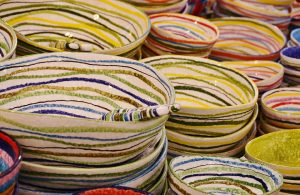
Stoneware is a type of ceramic made from dense clay that's fired at high temperatures — typically between 1,200°C and 1,300°C. This process makes it far more durable than earthenware and gives it a distinctive, rustic character that many home cooks love. Unlike porcelain, stoneware has a slightly textured surface and tends to come in earthy tones, though modern versions are available in a wide range of glazes and finishes.
The benefits of cooking with stoneware
One of stoneware's greatest strengths is its ability to distribute heat evenly. Hot spots in pans and dishes are a common cause of unevenly cooked food, but stoneware's dense composition absorbs and spreads heat consistently across its surface. The result? Casseroles that cook through properly, bakes with a perfectly golden crust, and roasted vegetables that caramelise rather than scorch.
Stoneware also retains heat exceptionally well. Once warmed, it stays hot long after it's left the oven — which is ideal for serving dishes at the table without the food going cold mid-meal. This makes it a particularly practical choice for slow-cooked meals and hearty winter dishes.
Is stoneware good for everyday use?
Stoneware is built to last. Its dense, non-porous surface (when properly glazed) resists scratches, stains, and odours far better than many other materials. It can withstand the transition from fridge to oven without cracking, and most pieces are dishwasher-safe, making clean-up straightforward. For anyone who cooks regularly, this kind of durability is a genuine advantage.
That said, stoneware does require a little care. Avoid placing it directly on a hob or under a grill unless it's specifically designed for those uses. Thermal shock — moving a piece too suddenly from one extreme temperature to another — can cause cracking over time. Treat it sensibly, though, and a good piece of stoneware can last decades.
Stoneware's natural non-stick properties
Over time, stoneware develops a natural patina that makes it increasingly non-stick with use. Unlike synthetic non-stick coatings, this seasoning effect improves the more you cook with it. Many stoneware enthusiasts swear by their well-used pieces precisely because they perform better years down the line than they did when new. It's the kind of kitchen investment that rewards patience.
Stoneware vs other materials
Compared to glass bakeware, stoneware handles temperature changes more reliably and doesn't shatter as easily. Next to cast iron, it's considerably lighter and less prone to rusting. And unlike some glazed ceramics, high-quality stoneware is typically free from lead and cadmium, making it a safer choice for everyday cooking. When weighed against cheaper alternatives, the long-term value of stoneware becomes clear — both in terms of performance and longevity.
A timeless addition to your kitchen
There's a reason stoneware has been used in kitchens for centuries. It offers a rare combination of practicality, durability, and understated good looks. Whether you're slow-roasting a shoulder of lamb, baking a fruit crumble, or simply serving a salad, stoneware holds its own across a wide range of tasks. For anyone looking to invest in cookware that genuinely earns its place in the kitchen, it's well worth considering.